FC-TAPE-424
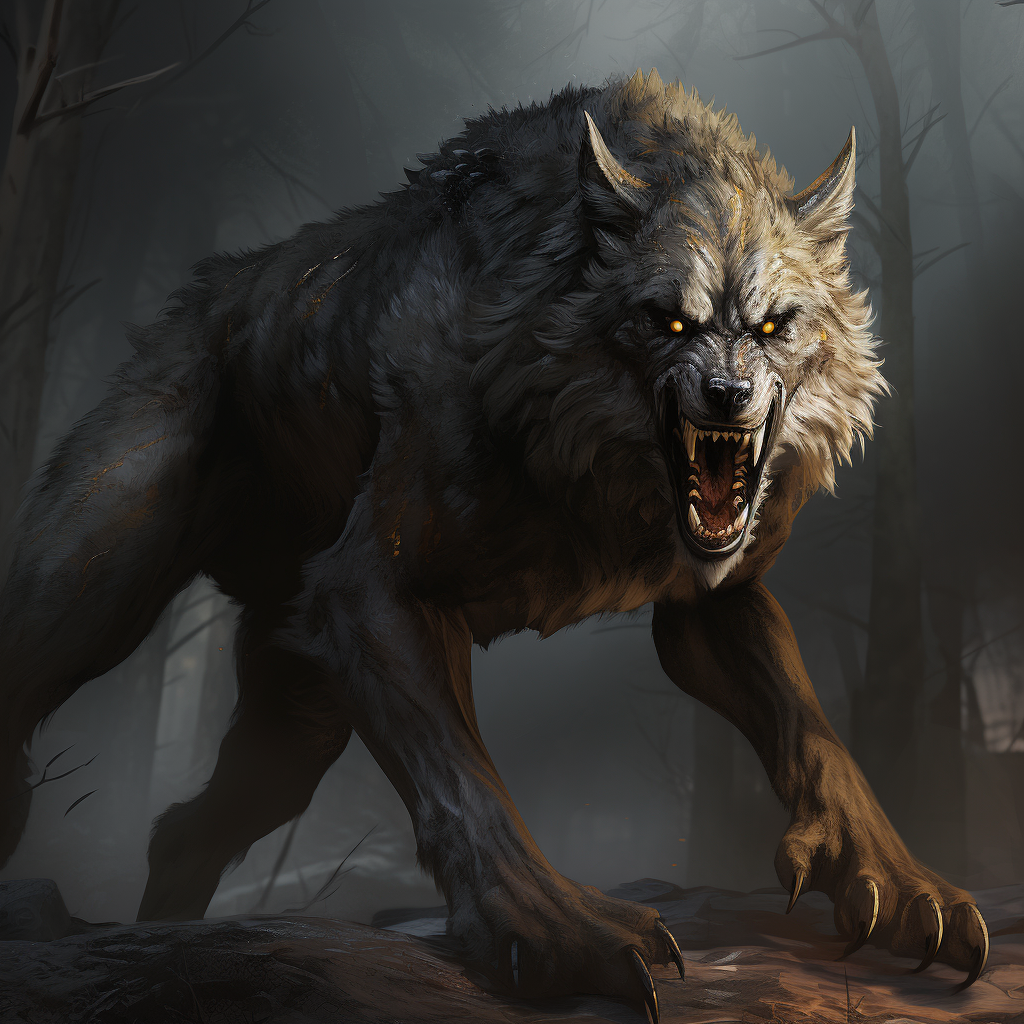
On Halloween night 1991, Lorianne Endrizzi was driving on Bray Road outside Elkhorn, Wisconsin when her headlights lit up something on the shoulder. She pulled over. The creature was kneeling on its haunches, eating something off the pavement. It looked up. Endrizzi described a large animal with a wolf-like face, pointed ears, wide-set yellowish eyes, and an oddly human posture. As she watched, it raised itself up on its hind legs. She drove.
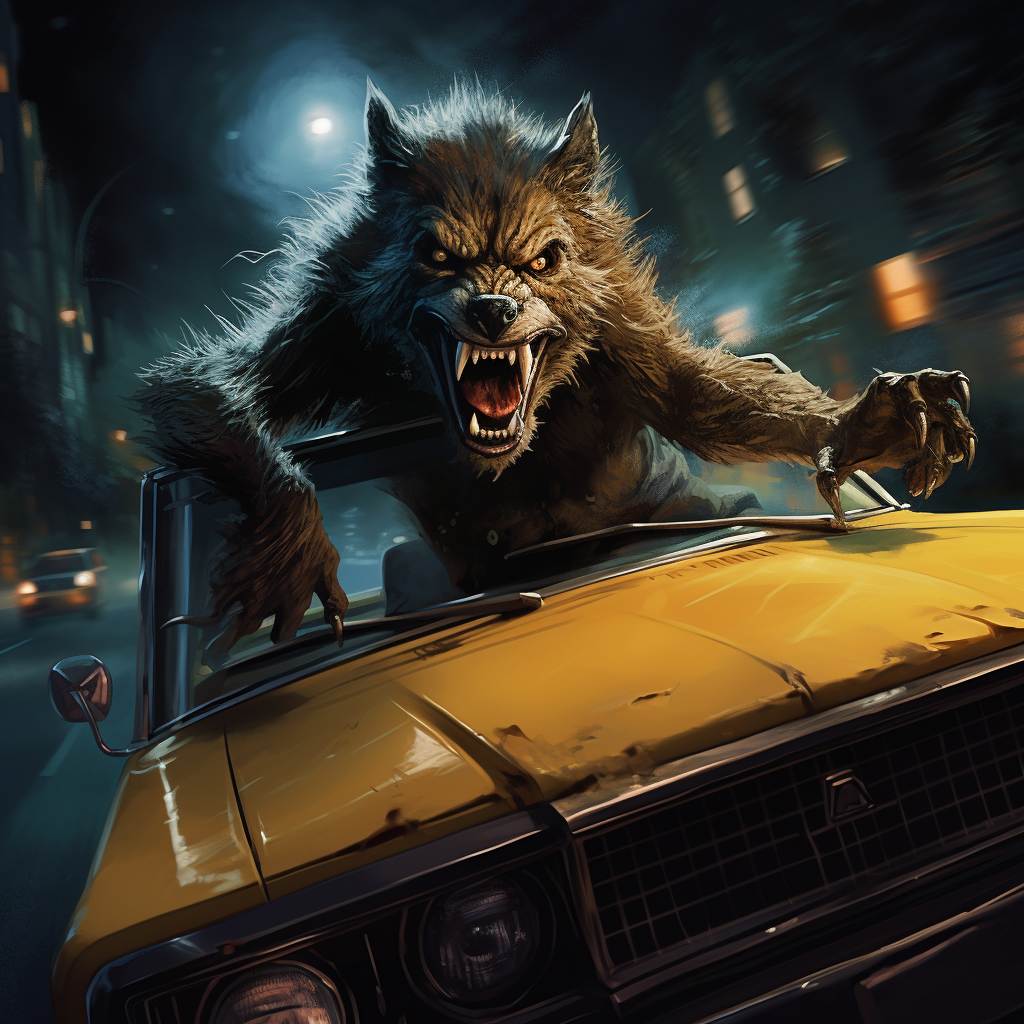
She wasn’t the first to report something on Bray Road, and she wasn’t the last. But her account — detailed, unsolicited, given to a local reporter named Linda Godfrey who was initially skeptical — set the pattern for what would become one of the most consistently reported cryptid encounters in American history.
The Witness Cluster
What makes the Beast of Bray Road cases unusual isn’t any single sighting — it’s the cluster of independent accounts that built up over a short period, all describing similar things in the same geographic area.
Dairy farmer Scott Bray reported finding large, unusual tracks in the mud on his land near Bray Road in 1989. A woman named Doris Gibson reported seeing a large, dark animal on the road that same year. Pat Lester reported a sighting in 1990. Endrizzi’s Halloween account was followed almost immediately by a report from a 24-year-old named Heather Bowey, who said she saw the creature on Bray Road that same evening with a group that included children.
Within months, Walworth County reporter Linda Godfrey had collected enough accounts to publish a story in the Walworth County Week in December 1991. Godfrey was skeptical going in. She ran it as a local interest piece. The response made her reconsider. Dozens of additional witnesses came forward — people who had never reported their sightings because they assumed no one would believe them.
The physical descriptions were consistent: large quadruped with a wolf or dog-like face, dark or gray fur, capable of rearing up on two legs, typically seen eating or moving along roadsides. Multiple witnesses independently described the creature’s posture as having something human about it — not just in the bipedal capability but in the way it seemed to regard them.
The Dogman Connection
The Beast of Bray Road brought national attention to what researchers would start calling “dogman” — a broader category of reports that, once Godfrey began collecting them, turned out to be distributed across Wisconsin and much of the upper Midwest.
The Michigan Dogman legend predates the Bray Road accounts by several years. In 1987, disc jockey Steve Cook recorded a song about the creature as an April Fools’ joke, claiming to document encounters going back to 1887. The recording generated enough genuine response from listeners claiming real encounters that Cook began documenting those accounts seriously. By the mid-1990s it was apparent that whatever people were seeing in rural Wisconsin wasn’t isolated to Walworth County.
Godfrey’s research, documented in Hunting the American Werewolf (2006), found consistent reports from across multiple states. The creature in these accounts wasn’t described as a supernatural werewolf in the folkloric sense — most witnesses weren’t claiming magical transformation. They were describing a large animal with features that didn’t match any known species.
Physical Evidence
The physical evidence is thin. Godfrey documented several instances of unusual tracks — large canine-like prints with features that investigators said were outside the normal range for known Wisconsin animals. No plaster casts from the early investigations were preserved in a form that allowed rigorous scientific analysis.
In 1992, the Wisconsin Department of Natural Resources received a report about something on Bray Road and sent an investigator. The investigator reportedly found tracks but made no definitive determination. No official follow-up was conducted.
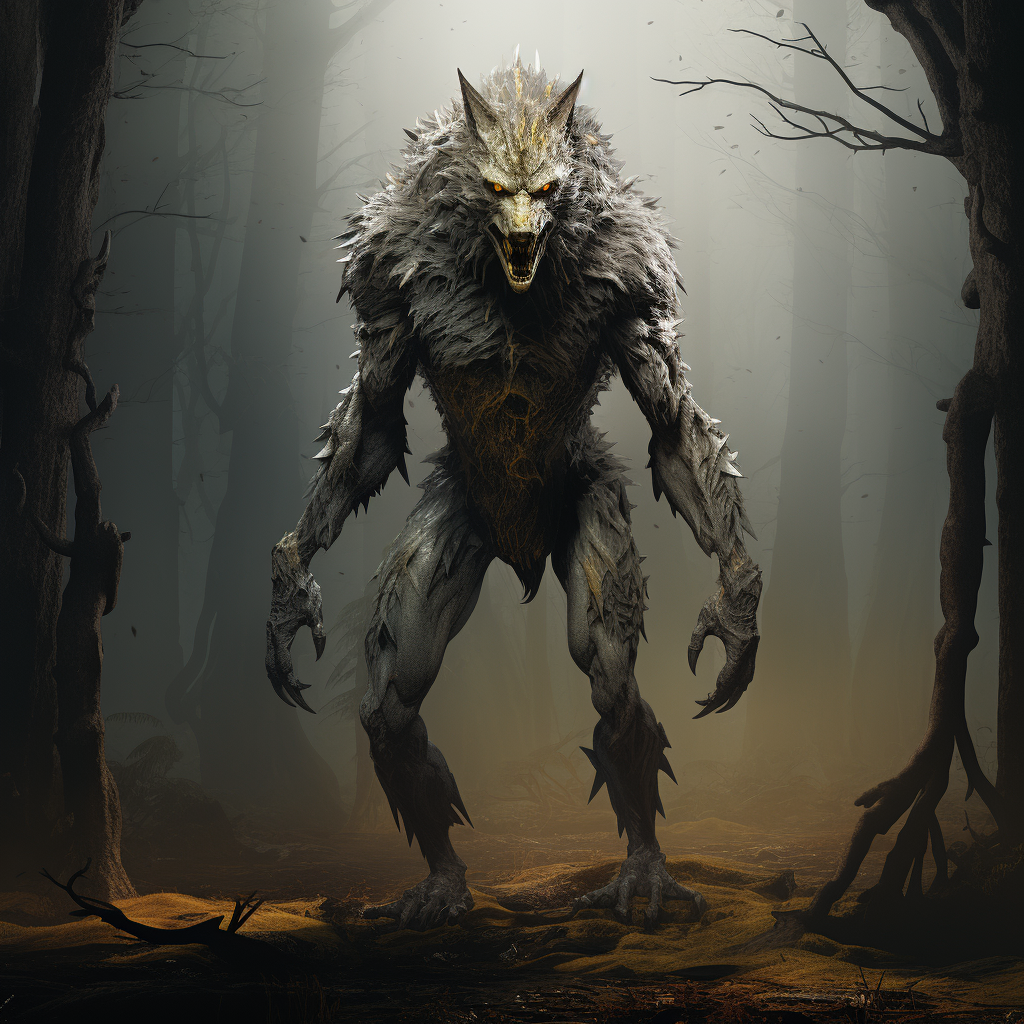
The closest thing to photographic evidence is a set of track photos taken by a private investigator in the late 2000s, analyzed by a wildlife biologist who said they were consistent with a large canid but couldn’t determine species. No confirmed photograph of the creature itself exists.
Zoological Explanations
Zoologists who’ve examined the Bray Road accounts have offered several explanations. The simplest is misidentification of known animals — a large wolf or coyote seen briefly in poor light, with the human brain filling in details. Gray wolves were technically absent from Wisconsin when the sightings began; they’ve since been reintroduced and are expanding their range southward. A large wolf encountered unexpectedly by someone who didn’t know wolves were in the area could plausibly create a startling report.
The bipedal component is harder to account for. Wolves do occasionally rear up on their hind legs briefly, but witnesses aren’t describing a momentary rear — they’re describing a creature that transitions between four legs and two and maintains an upright posture with what they characterize as deliberateness.
Mark Hall, a cryptozoologist who studied unusual canid reports, suggested that what was being described in Bray Road accounts might be a large canid with physical features allowing bipedal movement — not supernatural, but biologically outside the normal range. Hall documented this in Thunderbirds: America’s Living Legends of Giant Birds (2004), noting geographic overlap between large canid and unusual bird reports in the same region.
What’s Still Unexplained
The Bray Road sightings have continued sporadically into the 2010s. Godfrey has documented more than 100 reports from the Elkhorn area alone. Most witnesses had nothing to gain by coming forward. Several described lasting unease from the encounter — not the excitement of a ghost story, but the specific discomfort of having seen something large and animal that looked at them with recognition.
The consistency of the physical description across four decades and dozens of independent witnesses is the hardest part of the case to dismiss. One witness misidentifying a large dog is accountable. The same description repeated by people with no connection to each other over forty years is a harder problem. Whatever was on Bray Road in 1991 — and whatever keeps getting reported near Elkhorn — hasn’t been identified. The file stays open.