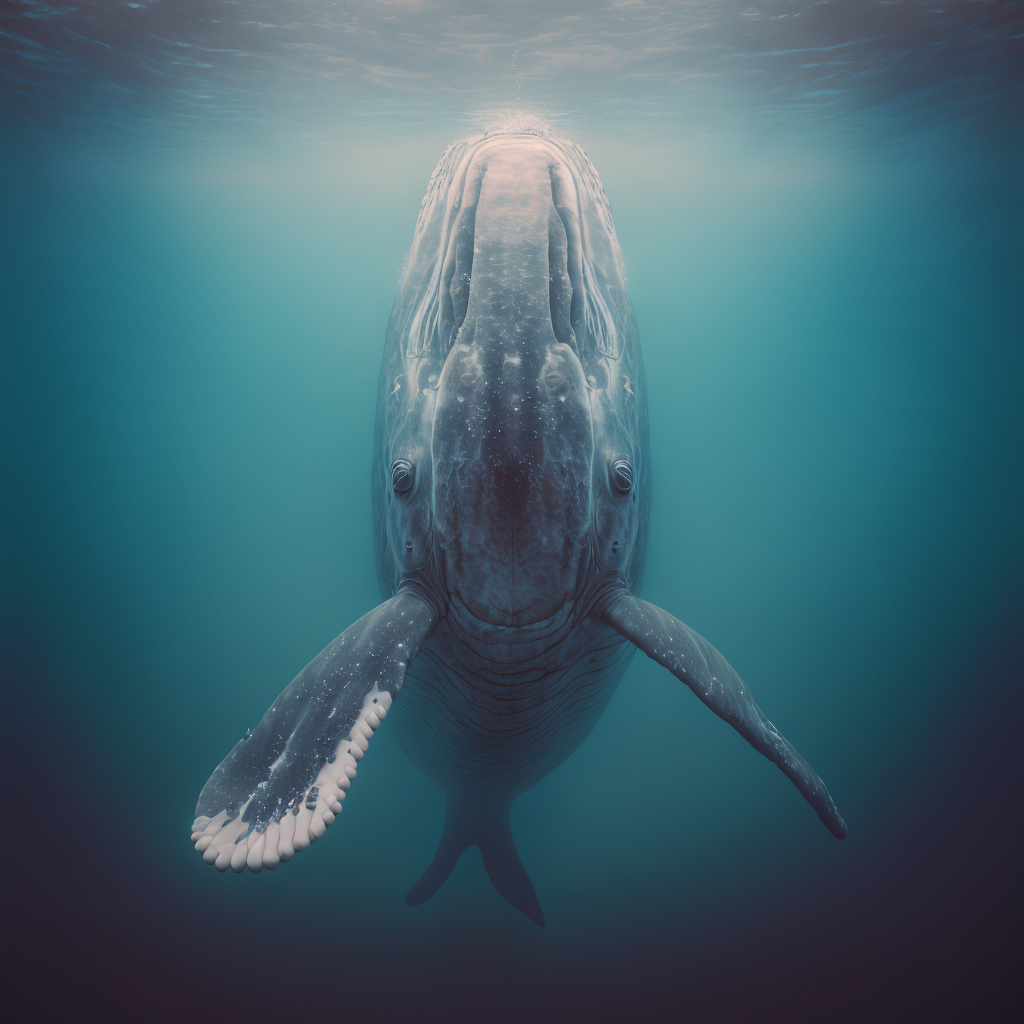
FC-TAPE-426
In 2002, a post appeared on the Japanese online forum 2channel describing something crew members of a Japanese government research vessel had allegedly seen in Antarctic waters. The creature was enormous — estimated at 20 to 30 meters — white or pale blue, and shaped like a human being. It had a recognizable head, torso, and limbs. It surfaced briefly, then submerged. The crew, according to the post, were told to keep quiet about it.
The post was shared thousands of times. By 2007 it had migrated into Japanese paranormal publications, generating a name: ningen — the Japanese word for “human being.”

The Source
The original 2channel thread has since been deleted, and the specific post that sparked the Ningen legend has not been definitively recovered. This matters: unlike most cryptid legends, which develop over decades from oral tradition, the Ningen emerged almost entirely from a single internet-era document of unknown authorship, spread through a specific sequence of online sharing.
That doesn’t automatically make it fabricated. Japan maintains a significant research presence in Antarctic waters through the Institute of Cetacean Research. Japanese whaling vessels and research ships have operated in the Southern Ocean since the mid-20th century. The 2channel post claimed to draw on accounts from crew members of one of these vessels — people with no obvious motive to invent a story and every professional reason to stay quiet about one.
What It’s Supposed to Look Like
The Ningen description is specific enough to be distinctive. The creature is described as having a featureless face — or nearly featureless, with only slits for eyes and sometimes a slit for a mouth. It has a humanoid body: torso, arms, and some form of lower appendages, though accounts differ on whether it has distinct legs or a single fish-like fluke.
The consistent features across tellings: white or very pale coloring, enormous size (the 20–30 meter range places it well above any known cetacean in body length — blue whales reach roughly 30 meters, but with a very different silhouette), and a humanoid profile visible from the deck of a research vessel.
The Photograph Problem
Online accounts of the Ningen include photographs. All of them have been traced to other sources. The most widely circulated “Ningen photograph” is an aerial image showing a large white form in shallow blue water; it’s been identified as a Google Earth screenshot of an Antarctic ice shelf. Another common image is a CGI render that began circulating in 2010 and is clearly labeled as fan-made in its original context.
No confirmed photographic evidence of the Ningen exists. Every image associated with the legend is either a misidentified satellite photo, digital art, or of unknown provenance.
What Could Explain It
Marine biologists who’ve examined the description have pointed to several candidates. The colossal squid (Mesonychoteuthis hamiltoni) is documented in Antarctic waters, can exceed 14 meters, and is poorly understood. Most confirmed specimens have turned up in the stomachs of sperm whales. A live encounter with one at the surface — partial, in poor visibility — could produce a report of something large, pale, and oddly shaped.
Albino humpback whales exist, though they’re rare. An albino humpback seen from directly above, in broken ice or low light, could create an impression of something pale and large and not quite right. In 2020, researchers photographed a rare albino humpback named Migaloo off the Australian coast — the photographs show how alien a white whale can look from above in clear water.
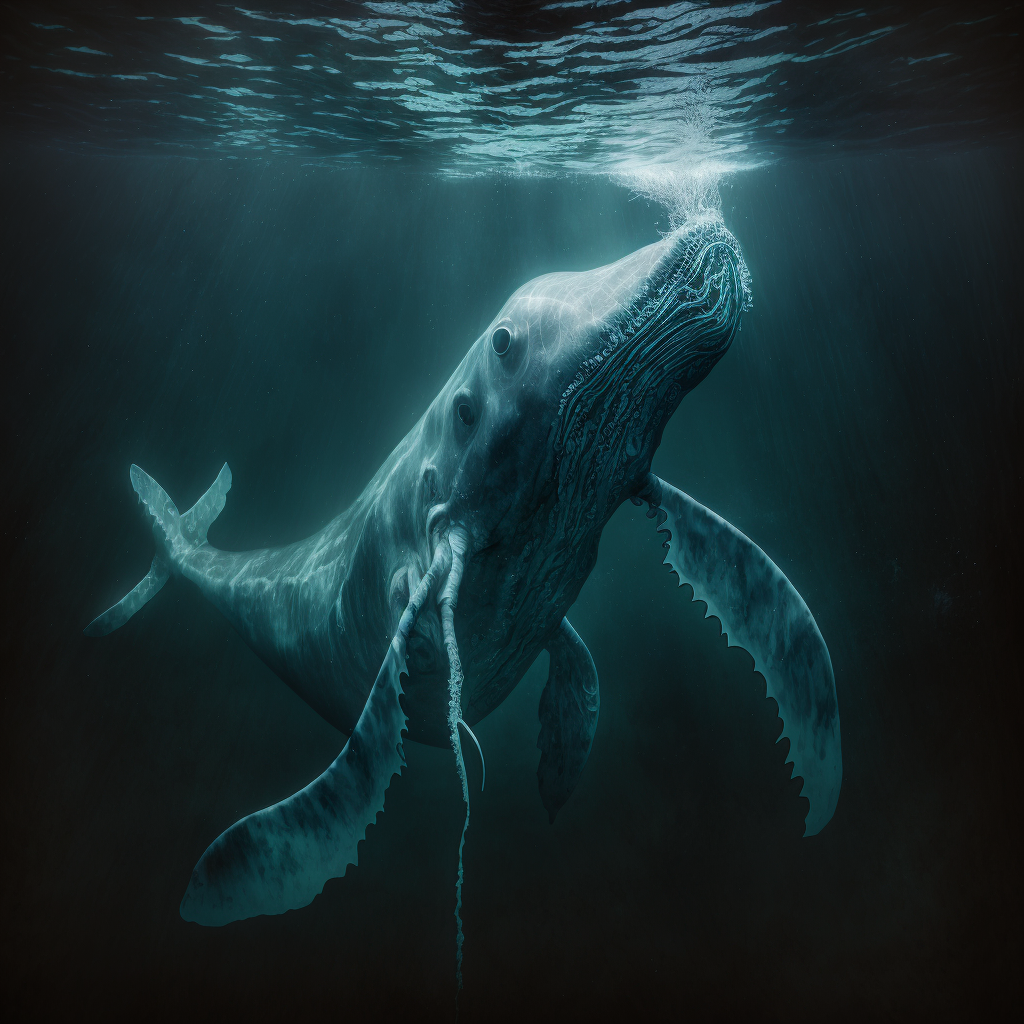
None of these explanations fully accounts for the specific human-limbed silhouette described with consistency across multiple versions of the accounts. A squid doesn’t have arms. A whale doesn’t have a recognizable head and shoulders. The humanoid quality is the detail that doesn’t resolve cleanly.
The Secondary Lore
The Ningen’s internet origin didn’t stop it from developing the secondary folklore that older cryptid legends carry. Within a few years of the 2channel post, Japanese paranormal enthusiasts had generated an elaborate backstory: the Japanese government knew about the Ningen, research crews were under nondisclosure agreements, the creatures were intelligent, some were allegedly sighted in the North Atlantic as well.
None of this secondary material has primary sourcing. It accumulated the way online lore does — one person added a detail, another repeated it as established fact, a third built on that.
The Open Question
The Southern Ocean is the least explored major body of water on Earth. Japan’s research fleet has operated there for decades under conditions — remote location, limited external oversight, institutional pressure to stay quiet — that would be consistent with unusual encounters going unreported.
Whatever the original 2channel poster described, the account was specific enough to name and detailed enough that the name stuck. The featureless face. The pale coloring. The human proportions in a 25-meter body. Those aren’t the details of a fabricated monster. They’re the details of something someone tried to describe accurately and couldn’t quite fit into any available category.
Whether there’s something in the Antarctic deep that matches that description is a question the current state of ocean exploration can’t answer. The deep-ocean survey coverage of the Southern Ocean remains thin enough that the honest answer to most “does X exist down there” questions is: we don’t know.